By integrating AI-driven testing, fault diagnosis, maintenance, and operational control, next-generation space transportation systems could achieve hour-level launch readiness, minute-level fault localization, and dramatically improved flight reliability, reshaping how humanity accesses space at scale.
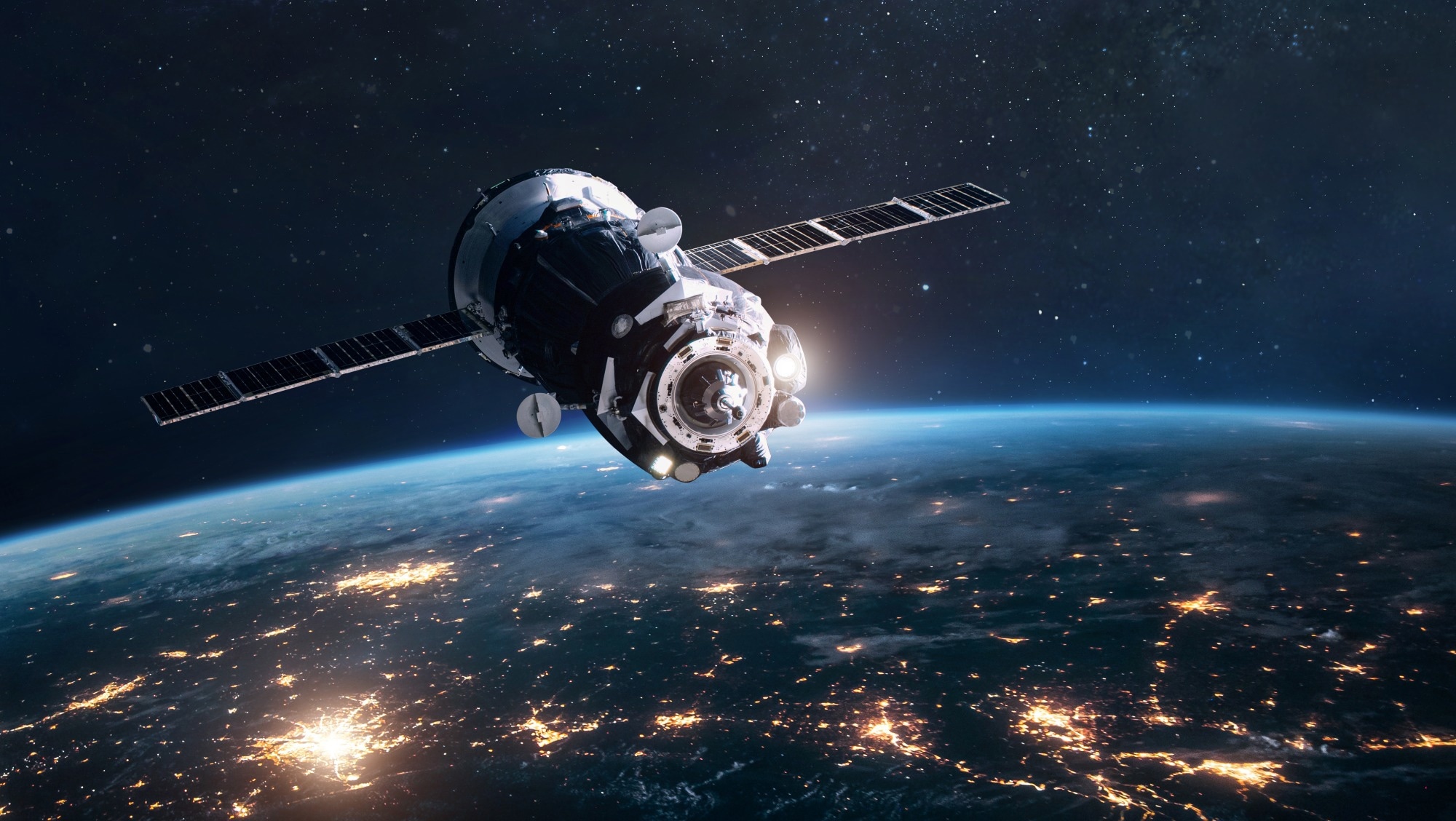
Viewpoint: AI enabled launch vehicles: Next potential disruptive technology after reusability. Image Credit: Dima Zel / Shutterstock
The global space industry has entered a new phase, characterized by large-scale satellite constellations, human lunar exploration and development, and other initiatives. As the prerequisite and foundation of all space activities, space transportation systems are experiencing rapid growth in the scale of access to space.
Commercialization Driving Launch Scale Growth
Especially with the increasing commercialization, it is expected that within the next 20 years, the scale of access to space will exceed several hundred thousand tons, with annual launch numbers reaching tens of thousands, and this number will continue to rise.
Space transportation systems face the challenge of low-cost, high-frequency, and highly reliable airline-flight-mode development.
The rapidly developing reusable technology can effectively solve the current issue of high launch costs. However, high-frequency launches and highly reliable flights remain significant challenges.
Artificial Intelligence as an Enabling Technology
In recent years, artificial intelligence (AI) technology has rapidly developed and has become important across various industries. Enabled space transportation with AI technology holds great promise in addressing the challenges of high-frequency launches and highly reliable flights in the era of large-scale access to space. It is expected to become the next disruptive technology in space transportation, following reusability.
Operational Scenarios for AI-Enabled Space Transport
AI can be enabled in four scenarios to enable agile testing and launch preparation, significantly improve flight reliability, and enable rapid maintenance and efficient safety operations & control.
Vision for an Intelligent Space Transportation System
Based on AI methods, the authors' goal is to build an intelligent space transportation system that includes innovative test launches, high-reliability flight, agile maintenance assessment, and efficient operation control, aiming to achieve test, inspection, and decision-making times for large launch vehicles at the hour level. By integrating return-to-launch-site (RTLS) technology, the system will enable hour-level re-launches after recovery. The autonomous fault-location time for test launches will reach the minute level, and flight reliability will improve by 1-2 orders of magnitude even in the presence of non-fatal faults.
Meanwhile, reliable and agile health assessment and maintenance strategies are established to optimize the reusable lifespan of launch vehicles. Besides, integrated space-earth situational awareness, flight operation management, scheduling, and coordinated control are realized to support reliable and safe operation management and control of the entire space-earth system.
Source:
Journal reference: